Coding Fundamentals
Taught from the ground up until a student can build a page that works in any browser. No drag-and-drop, and nothing written for them.
<h1>GADEL Pollos Asados</h1> <p>Apodaca, Nuevo León</p> <a href="#pedir">Pedir ahora</a>
We teach coding to young people the world overlooked. Four months later they hand a working website to a business in their own street.
Four modules, taught end to end — from a first line of markup to a live website, the numbers behind it, and the AI tools now shaping all of it.
Taught from the ground up until a student can build a page that works in any browser. No drag-and-drop, and nothing written for them.
<h1>GADEL Pollos Asados</h1> <p>Apodaca, Nuevo León</p> <a href="#pedir">Pedir ahora</a>
How to monitor what the site actually does — clicks, dwell time, pages — and turn it into a report the shop owner can act on.
A website only matters if people find it. Students put the shop on the map, make something the owner can share, and print the rest.
How to work with AI instead of being replaced by it: prompts that get real answers, and the habit of testing what comes back.
We go where no one else will, and stand with those left behind.
Guiding them to find their purpose — teaching coding and digital skills so they can build sustainable, dignified futures, and connect with a world that needs their talents.
A future where every person, no matter where they start, can realise their full potential and live a purposeful life.

Everyone should discover their purpose, and engage with the world around them deliberately rather than by accident.
Too many people feel disconnected and unaware the world needs them. Everyone deserves the chance to contribute, belong and flourish.
Many are born where education, electricity, clean water or decent housing are out of reach. We build programmes that reach them anyway.
Each one is a real room you can look inside — who's in it, and what it still needs.
Both sides put something in. This is the agreement, as it is actually written.
The room, the trust of the community, and the person who sits with the students.
Everything that costs money, and the reporting that proves where it went.

A student stands in front of their family, a jury, and the shopkeeper they built the site for, and shows the pages working. The winning site goes live and stays in use.
You can start it today and stop at any point. From the moment you apply you get an account showing exactly where you are and what we're waiting on.
Submit your organisation's details — location, community served, number of students, and the space available.
A conversation to understand your context and assess whether the programme is a good fit for your community.
We prepare a project plan covering places, equipment, costs and responsibilities, then formalise it in a partnership agreement.
Equipment is procured and installed, and your nominated ambassador completes our training and certification.
Classes begin. You receive monthly progress reports on every student and a full terminal report at programme close.
You'll know within a week whether we can work together. The form is at the bottom of this page.
Tell us which one you are and leave a line about your situation. We read every one.
Four steps to open a centre, then twenty sessions inside it. Everything below is how the programme actually runs today.


We actively seek partner organizations worldwide to explore their interest in collaborating, introducing our platform, and launching the Wominjeka program within the communities they serve.
After identifying a partner organization, they nominate one or more individuals, referred to as ambassadors, who will be present in the classrooms to facilitate the courses. We train them and provide them access to our platform where they input a summary and feedback on each lesson.
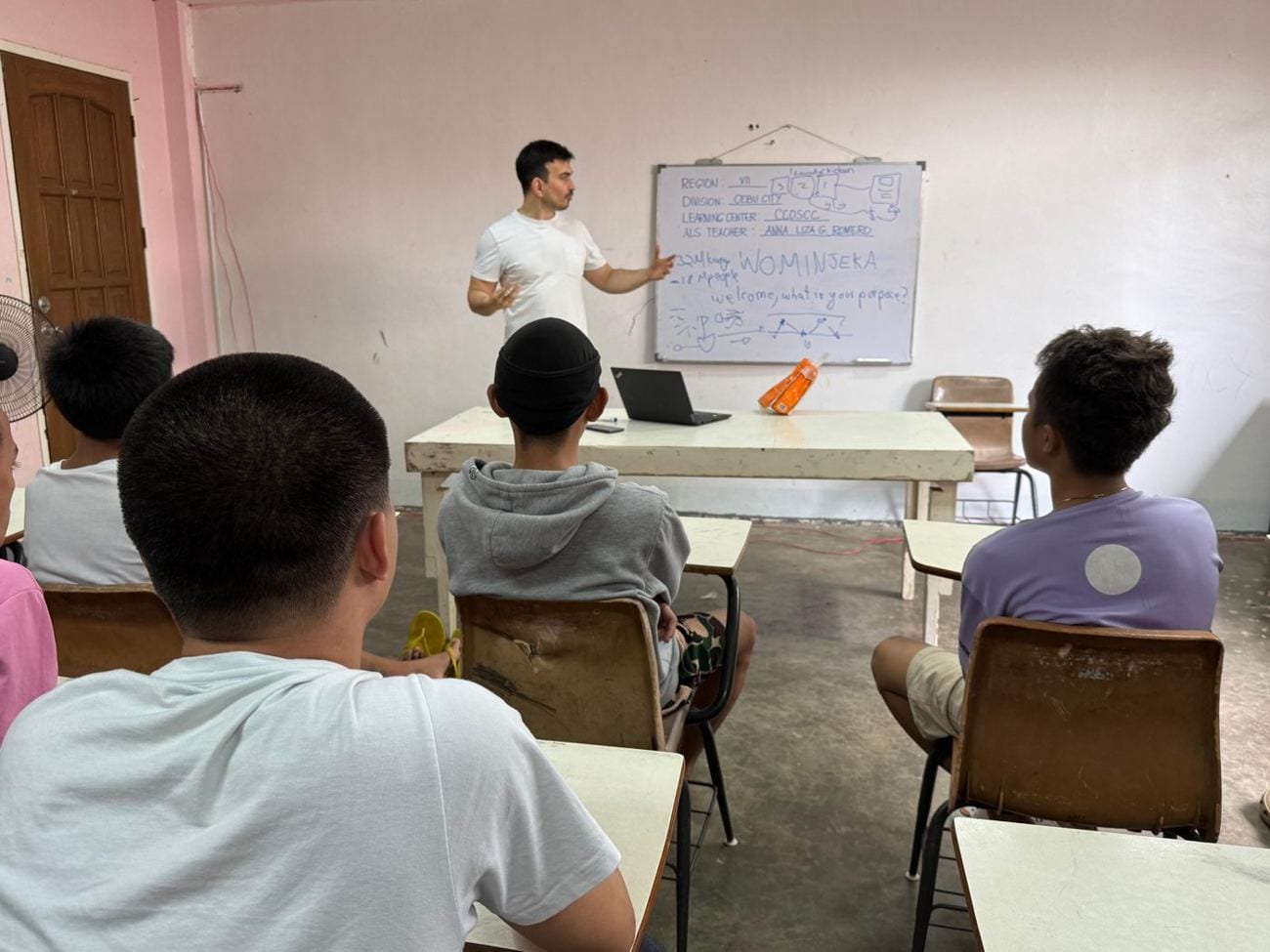
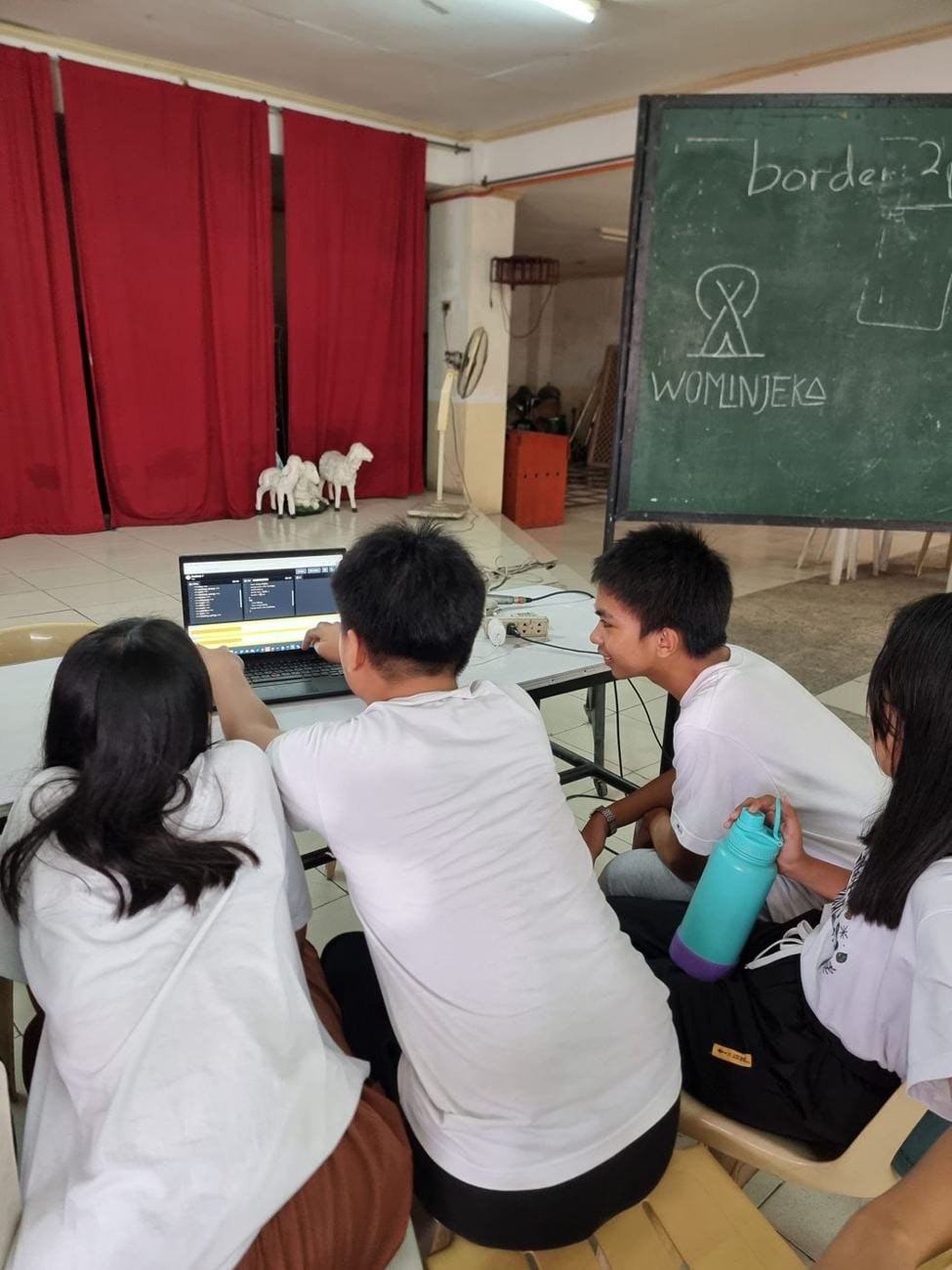
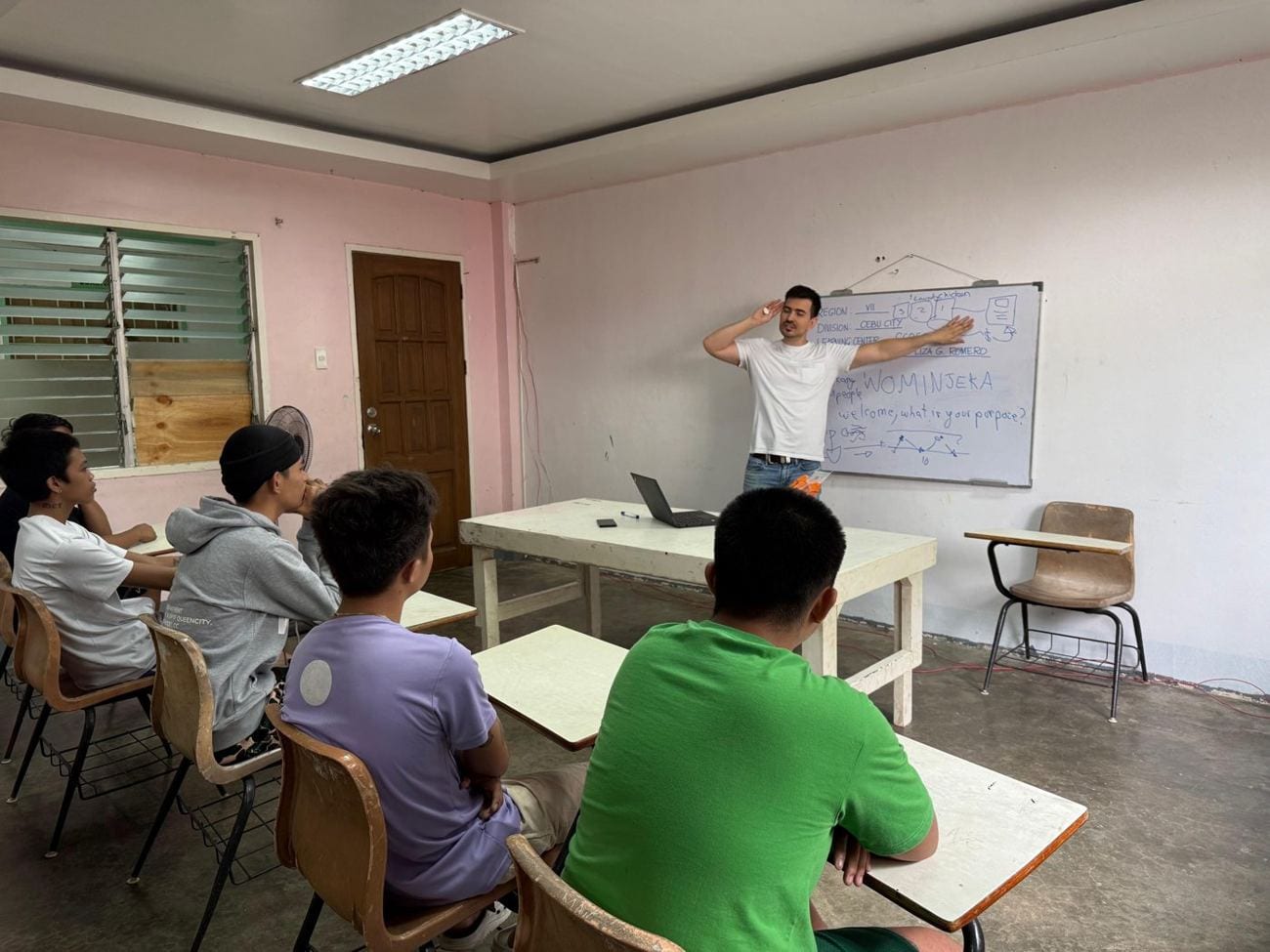
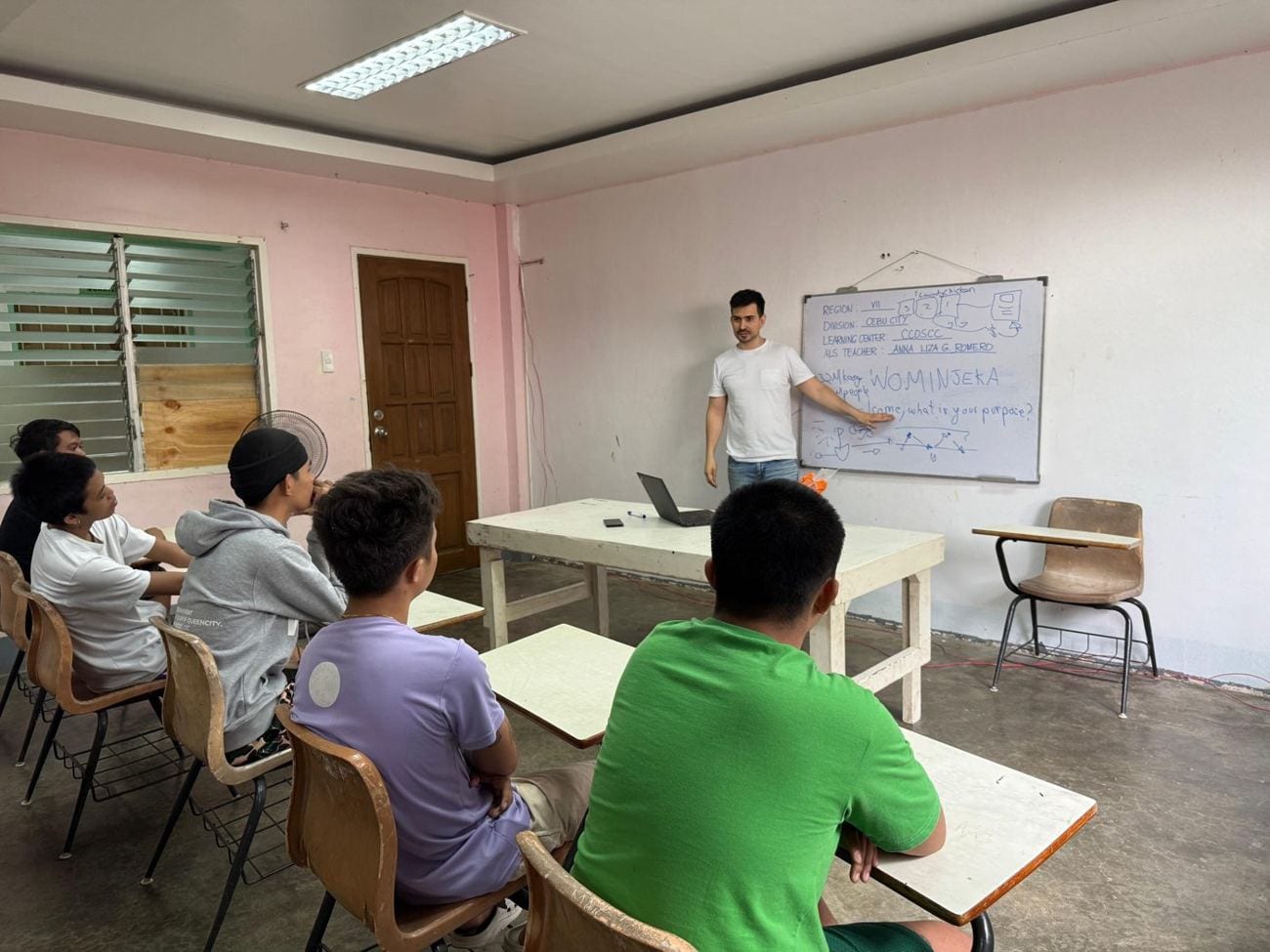
Once the ambassador is ready, we start by providing students access to the platform and initiating the classes. Students progress at their own pace, typically in a classroom or designated area equipped with laptops and other necessary tools, where the ambassador facilitates the session.
Each class concludes in a project where students develop a real-world website for an individual, organization, or small business that needs it, either from their own community or from another part of the globe.
The repetition is the point. It's what lets a facilitator who has never written code run the room.
A recorded lesson at the student's own pace. Pause it, rewind it, watch it twice. Nobody is left behind by the speed of the room.
A practical activity applying what was just taught. Students write real code from the first session — no drag-and-drop, no AI writing it for them.
Work is reviewed and returned with specific feedback. This is the part that normally doesn't scale, and the reason a centre runs without a programmer in the room.
The ambassador writes a short summary and feedback note after every lesson, so progress is recorded session by session, not just at the end.
Module 1 runs about four months at one session a week.
Accounts, equipment, and what the next four months look like.
Structure and content. The first page a student has ever made.
Layout, colour, type — making it look like something they'd show someone.
A real site for a real business, built and presented.
Assessment, the ceremony, and what comes next.
Behind these twenty sessions sits a library of 108 recorded lessons across 14 modules — roughly twelve hours of teaching video, in English and Spanish. Module 1 draws on the first part of it; the rest carries students who keep going.
Every partner receives a monthly report on each student, and a full report within seven days of the programme closing.
Bars on the left are illustrative until the platform feeds live cohort data.
Tell us about your organisation. You'll know within a week whether we can work together.
From the Woiwurrung language: “coming with purpose.” An embrace and an urgent challenge spoken at once to every young student who walks in.

We don't train passive tutorial watchers. We build autonomous creators who write digital tools for their neighbors.
“We go where no one else will, and stand with those left behind.”
When students realize their website helps their mother sell tamales or an uncle take bicycle repair bookings, the computer ceases to be intimidating. It becomes a megaphone for their dignity.

Zero rented corporate offices. 100% inside community shelters and local hubs.
From Monterrey's outskirts to classrooms across Latin America, Africa and Asia. No high-tech jargon, just human warmth and bulletproof pedagogy.

“We go where no one else will and stand with those left behind, guiding them to find their purpose.”
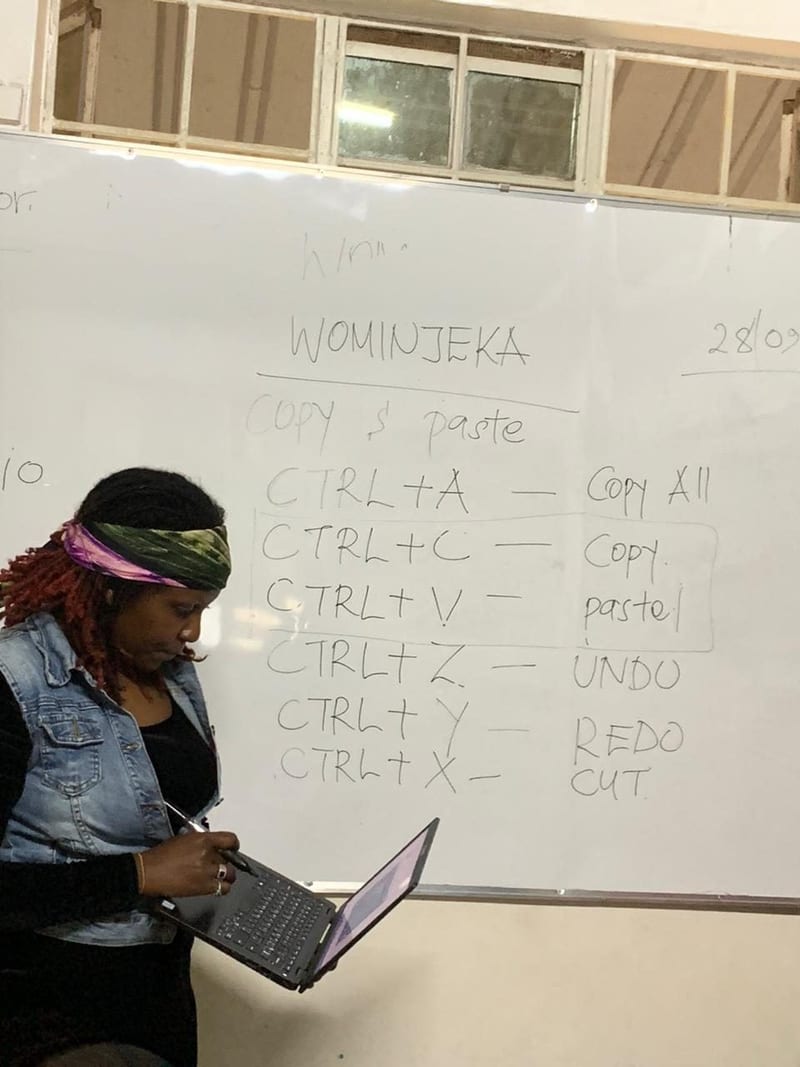
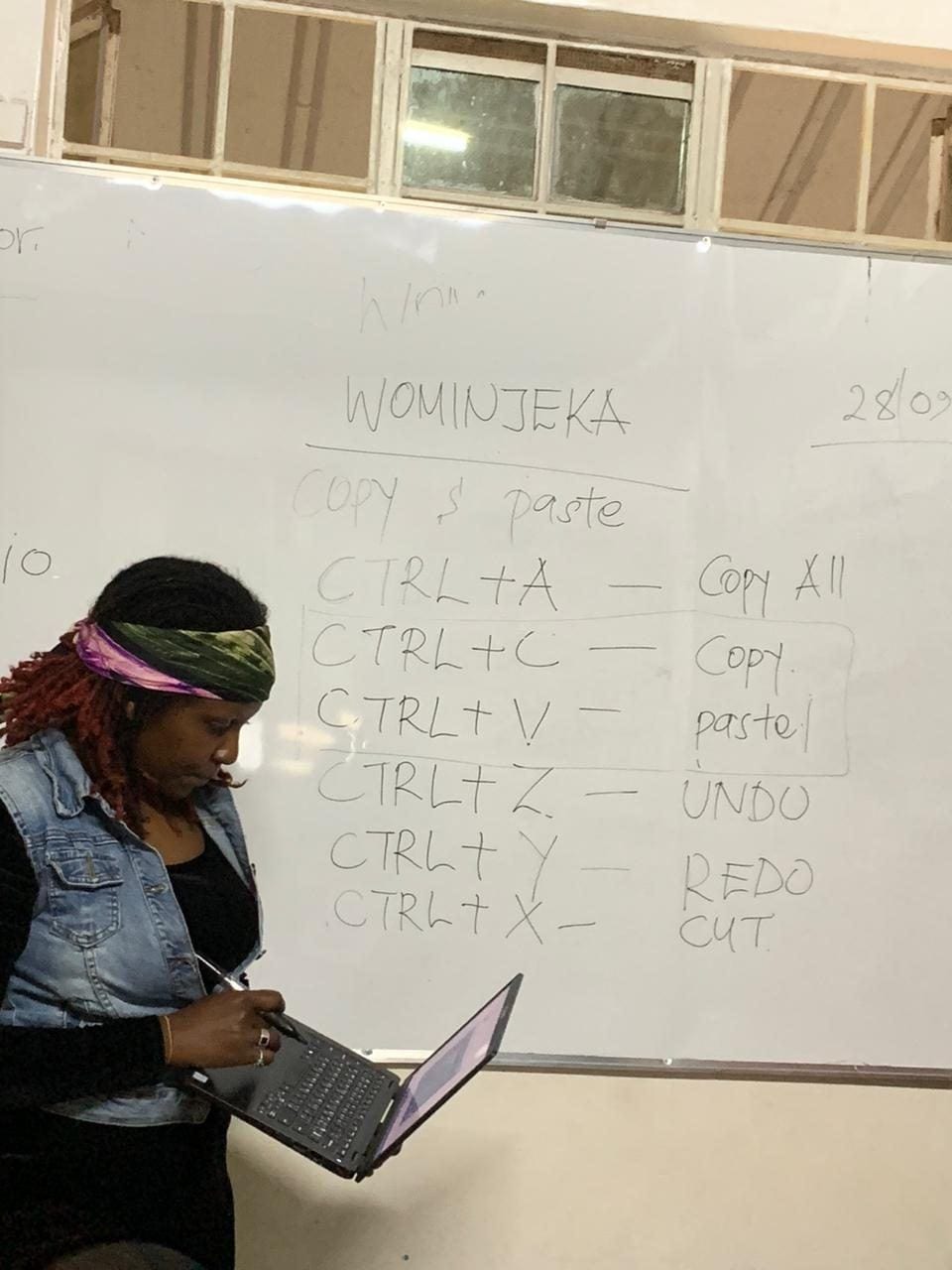
We demystify the machine down to the shortcuts: CTRL+C, CTRL+V, CTRL+Z. Copy-paste is syntax fluency. Once the terror fades, real software engineering begins.
A local mentor keeps attendance high and hugs students when they cry. But can they debug an unclosed <div>? Static answer keys breed mindless plagiarism. We needed an engine.
Dual-language master recordings with automated code-checking cues. Students pause and rewind at their own speed. Zero onsite computer science PhD required.
Every classroom is an intentional weapon against student isolation.
Writing code and watching buttons click alive unlocks deep personal pride, banishing apathy from the very first day.
Students pair up weekly to debug each other's work and present completed projects proudly before their families.
Talent is universal; hardware is not. We deploy Starlink dishes, solar power batteries, and rugged refurbished laptops.
No fake homework. Every graduate builds a real web presence for a real corner store owner right on their street.
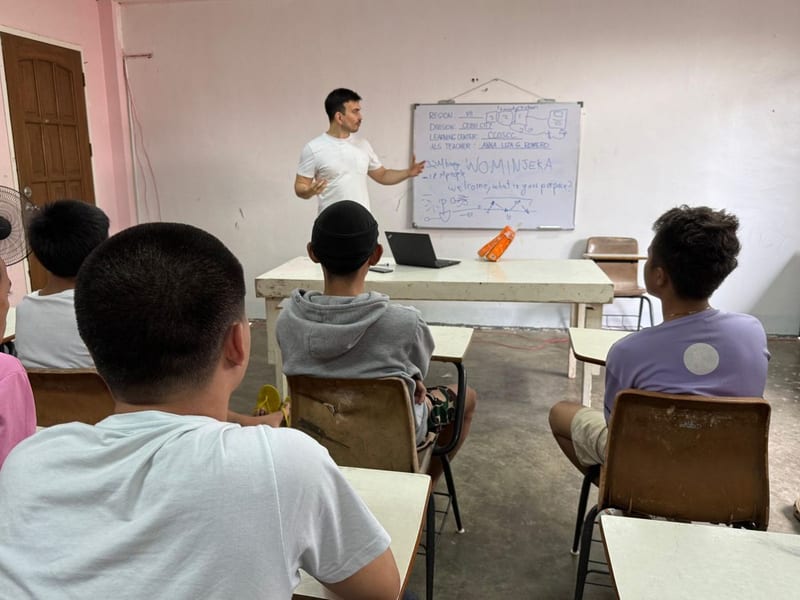
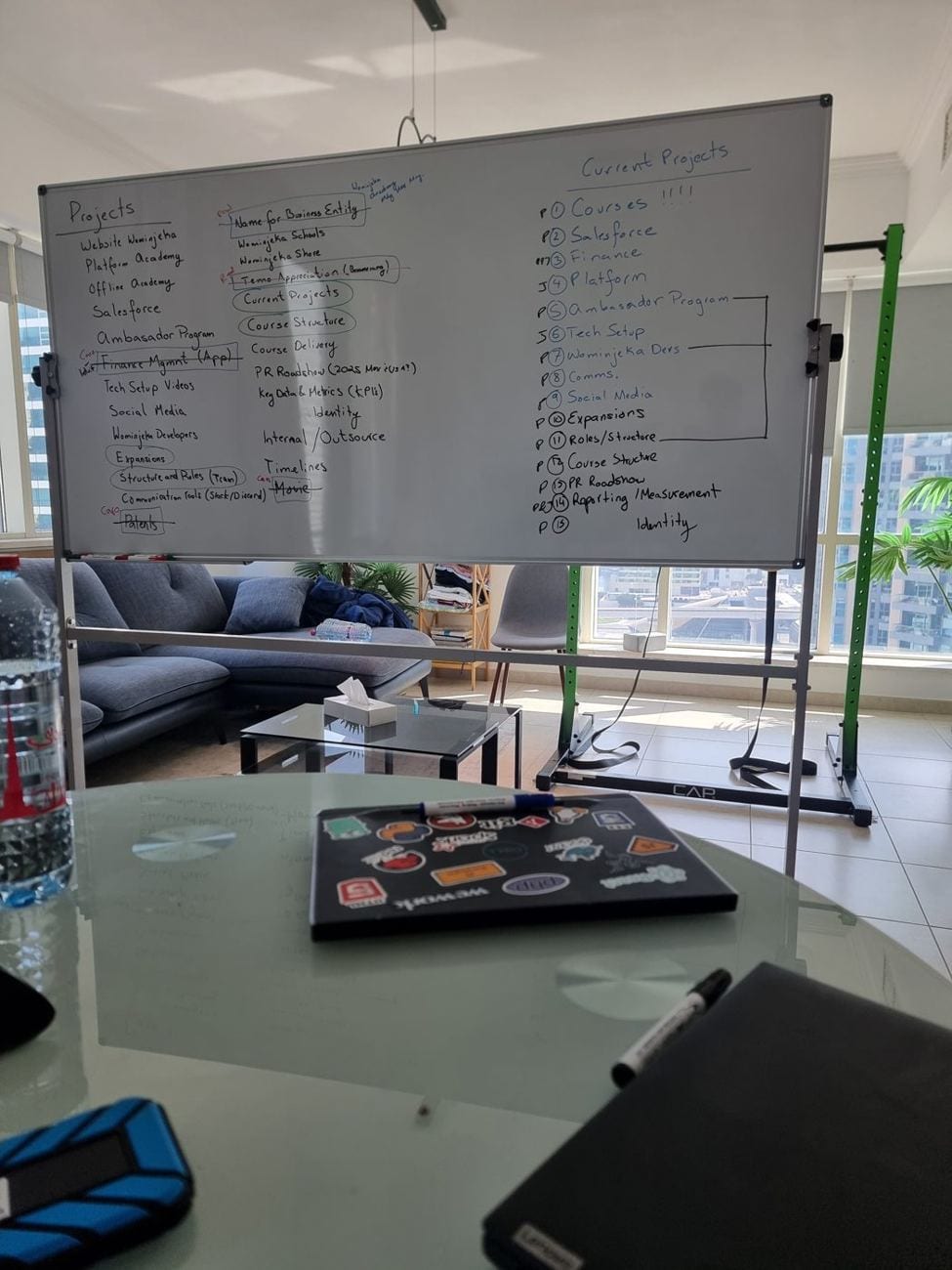
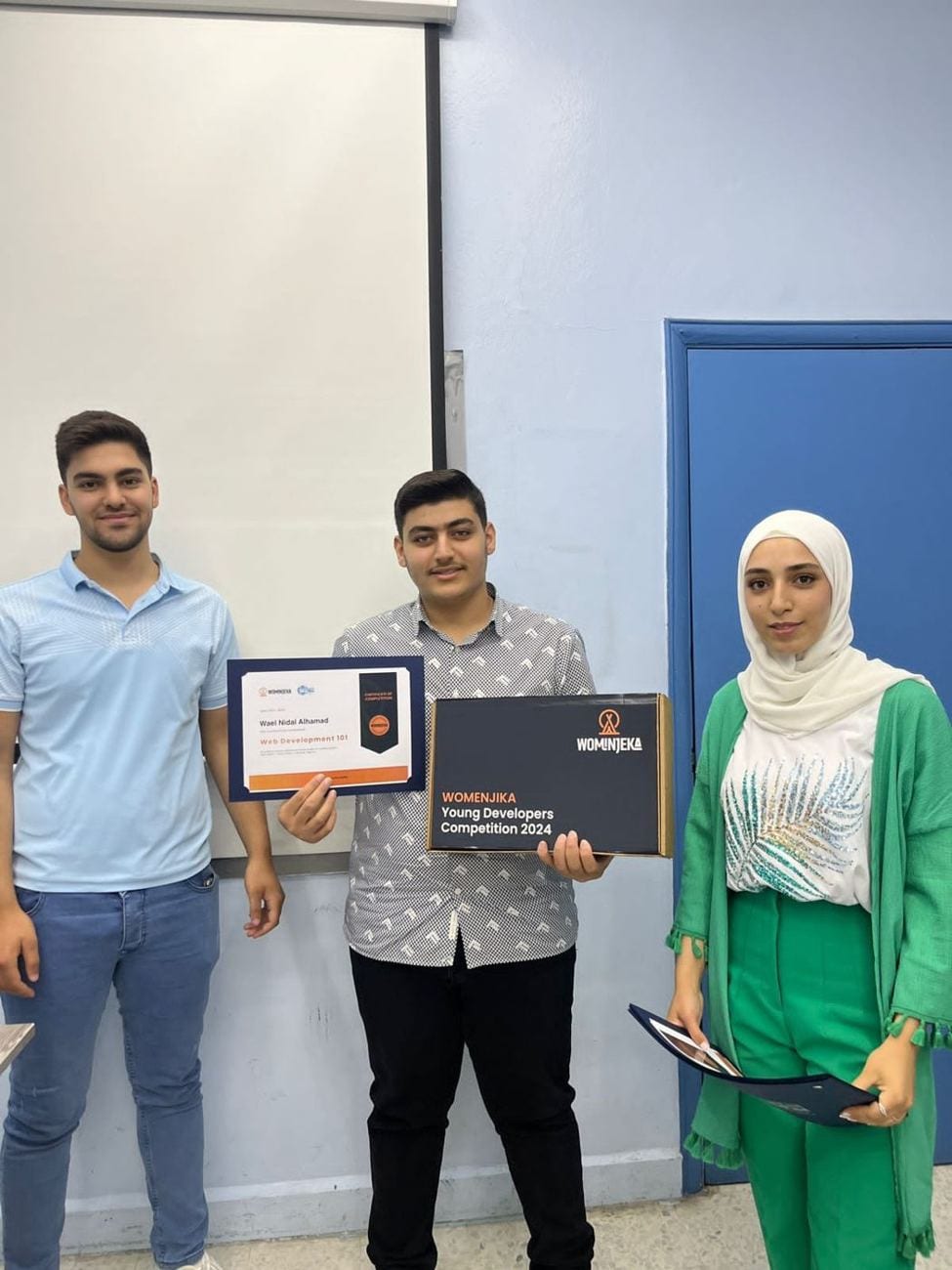
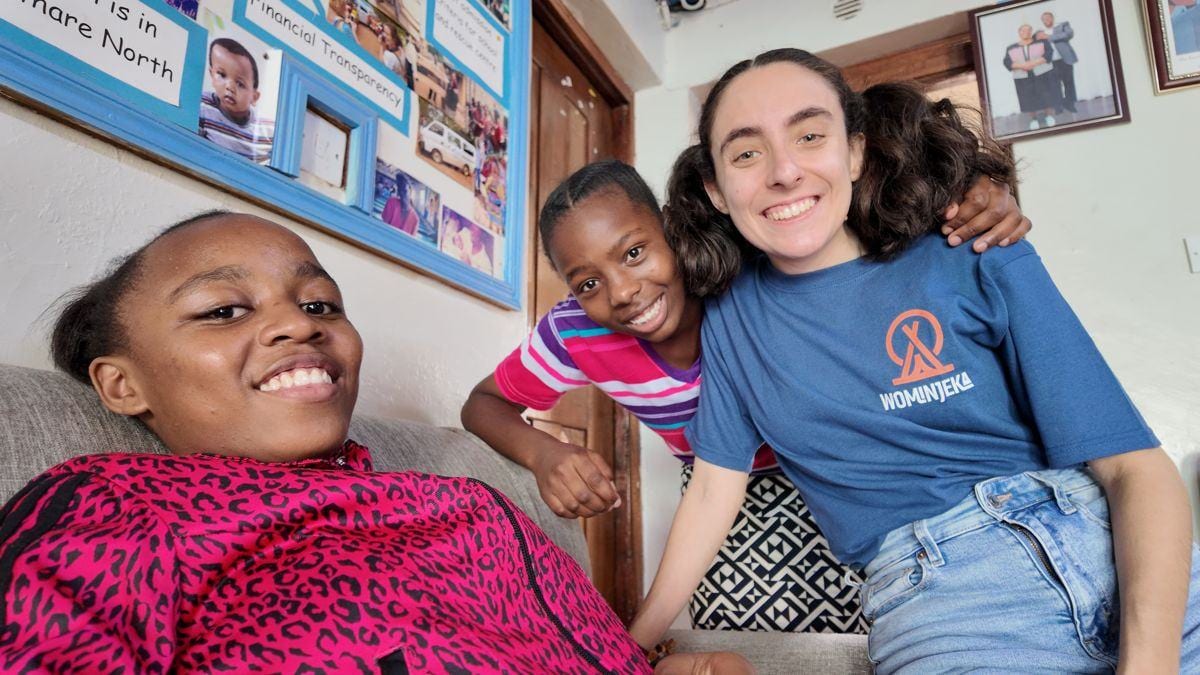
No stock photos, no staging. Inside our learning rooms in Mexico, Kenya and the Philippines.


We don't operate out of one shiny headquarters. We are distributed across three continents, grounded in local neighborhoods.
Designed the 20-session core, filmed the 108 lessons, and mentors partner directors.
Vetting hardware, onboarding community spaces, and guarding child protection.
Coordinating laptop logistics, Starlink clearance, and local language localization.
14 video modules produced in Spanish and English with interactive lab code.
Employed by partner charities, trained for free by Wominjeka. They don't need to be senior developers—they are the loving, trusted adults in the room encouraging each student to hit submit.
Sponsor 8 laptops for a room in Kenya, open a centre in your hometown, or mentor a student through their first CSS grid.
Pick a room. See the students who sit at the keyboards, see what hardware or furniture is still missing, and fund the exact unit needed. From a $2 optical mouse to a full $218 workstation.
We never send vague annual reports. Every dollar you assign is tracked to the specific serial number, desk, and human being.
You receive a digital certificate naming the exact station you covered — Station 4, Mogra Centre — and the room it sits in.
Our local hub facilitator photographs the actual hardware or assembled chair entering the room, alongside local supplier purchase receipt.
See the learner sitting at the hardware writing their initial HTML tags and CSS flexboxes. Accompanied by facilitator field notes.
A real public URL: you receive the link to the live production website the student built for a small local business or grassroots NGO.
Add anything to your selection — or tap an item to fund one exact unit and see who's already covered.
Mogra takes in children with nowhere else to go — abandoned, orphaned, or removed from home. Around a hundred live on site. It has been running for over two decades on donations and stubbornness.
In 2024 they gave us a room. We put eight laptops in it, ran Starlink to the roof because nothing else reaches reliably, and trained one of their own staff to run the sessions. Twice a week, eight students at a time work through the course.
The first cohort is on Module 2. In four months they'll each build a website for a business within walking distance of the gate.
Give nothing. Leave an email, get the same updates the donors get.
Nothing chosen yet. Every room lists what it still needs, and the smallest thing on the site is $2.
See the roomsOne payment. Nothing repeats, and nothing is stored on this site.